
Leila Oukhabou Reveals the Biggest Mistakes Investors Make When Buying Property Abroad
Leila Oukhabou Reveals the Biggest Mistakes Investors Make When Buying Property Abroad
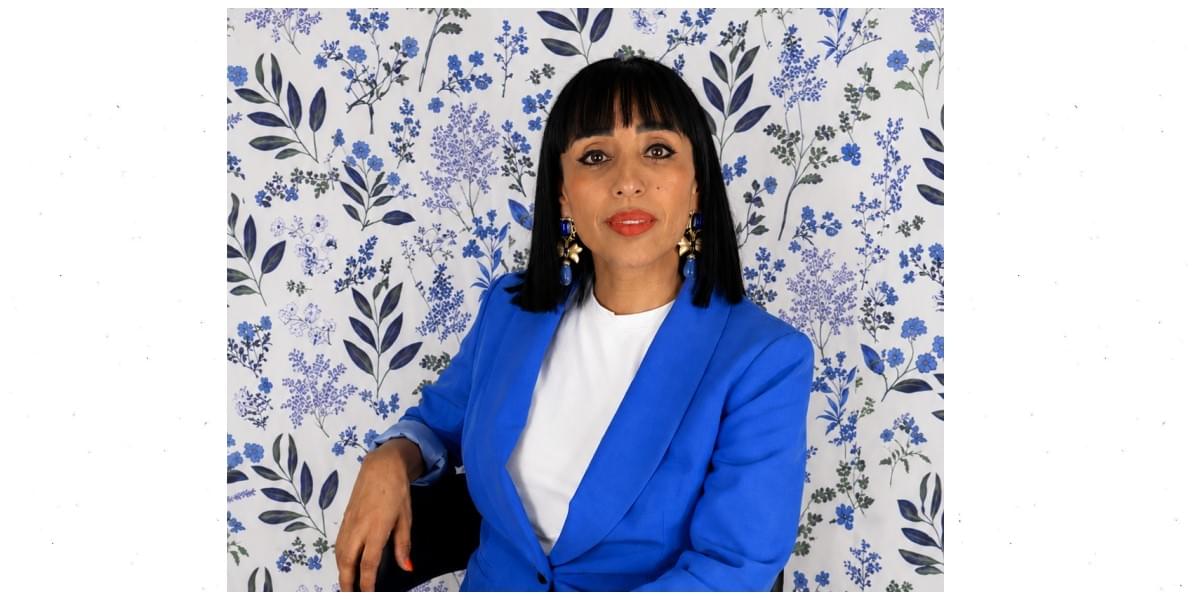
Buying property abroad often looks exciting: a beautiful location, an attractive price, or the promise of steady rental income. But the biggest mistakes in cross-border real estate rarely happen after the purchase; they happen long before anyone signs a contract. What seems like a great deal can quickly turn into a costly problem when local rules, hidden construction issues, or different business habits come into play.
Leila Oukhabou has spent more than 20 years helping investors avoid exactly that. As the founder of Luxury Construction Advisor and co‑founder of LYSIM Real Estate and LYSIM Invest, she advises homeowners, developers, family offices, and high‑net‑worth individuals on acquiring, renovating, and developing high‑value real estate across Europe and the United States. Her role goes far beyond finding attractive properties. She helps clients understand what they are buying, what risks they may face, and how to protect their investment before, during, and after a project.
One of the biggest misconceptions she sees is the belief that buying property abroad works the same everywhere. It doesn’t. Every country has its own legal framework, construction standards, permit processes, financing options, and business culture. Something that is routine in one market may be completely different in another. Buyers who assume the process is the same often discover unexpected costs, delays, or compliance issues after the deal has closed.
That is why Leila believes preparation matters as much as the property itself. Before recommending any acquisition, she focuses on technical and financial due diligence, construction assessments, market analysis, and risk evaluation. Her goal is to replace assumptions with facts so clients can make confident decisions. According to JLL’s Global Real Estate Perspective 2025, cross‑border real estate investment rose sharply, and as more investors move into new markets, understanding local rules and construction realities has become essential, a principle Leila has built her advisory practice around.
Another mistake she often sees is investors concentrating almost entirely on the purchase price. The price you pay is only one part of the investment. Renovation costs, building condition, permit requirements, maintenance, contractor availability and quality, and future resale potential all affect the final return. Looking at the asking price alone rarely tells the whole story.
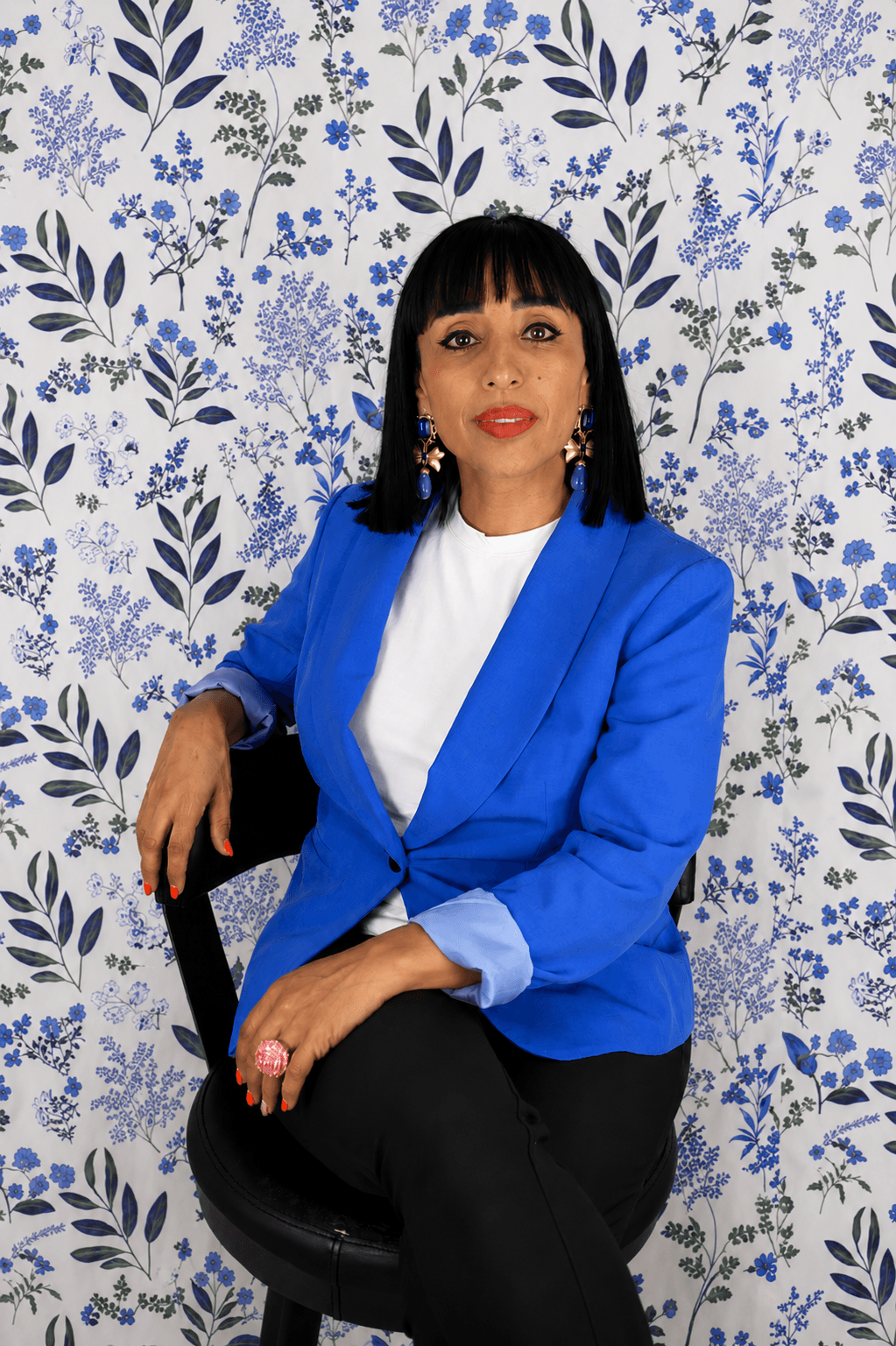
Leïla’s experience brings the full picture into focus. Over her career, she has worked on projects ranging from $1 million to more than $20 million, and she has overseen more than $100 million in managed projects. She coordinates architects, engineers, contractors, and other specialists while acting as an independent advisor whose only priority is protecting the owner’s interests. Instead of selling construction services, she gives objective guidance that helps clients control costs, reduce risk, and make better long‑term decisions.
Cross‑border work also adds a layer of cultural and practical complexity. Rules for permits, inspections, and contractor licensing differ. Business customs and negotiation styles vary. In some places, relationships drive deals; in others, paperwork rules the day. Misunderstanding these differences can cause delays and extra expense. Leïla’s international background, advising American investors in France, European buyers in the U.S., and clients with projects across borders, helps bridge those gaps. Fluent in English, French, and Arabic, she makes communication smoother and brings trusted local partners into the process.
Taxes and finance add more variables. Stamp duties, local taxes, and rules on foreign ownership can change a deal’s economics. A clear financial plan that includes taxes, insurance, and ongoing maintenance is crucial to avoid unwelcome surprises.
Finally, many investors underestimate the value of independent oversight during construction. Owners who are not on site need someone watching work, checking quality, and managing changes. Regular reports, clear milestones, and third‑party checks keep projects honest and aligned with the original plan.
For Leila Oukhabou, successful international investing is never about chasing the next big deal. It is about understanding the market, asking the right questions, and making informed decisions before committing significant capital. Markets will change, but careful planning, independent advice, and local expertise are the best safeguards against costly mistakes. In cross‑border real estate, knowledge is often the investment that gives the best return.